Insurance for Commercial Property: Coverage, Cost & How Redwood Insurance Solutions Can Help
Introduction to Commercial Property Insurance
Commercial property insurance protects a company's physical assets - buildings, equipment, inventory, furniture, and stock - from covered events like fire, theft, windstorms, and certain types of water damage. For Michigan businesses navigating 2026-2027, understanding this coverage matters more than ever as rising construction costs, climate risks, and shifting market conditions reshape what businesses pay and what they need.
Think about a winter pipe burst in a Novi office building flooding two floors of space, or a fire tearing through a Detroit light-manufacturing shop because an electrical issue. These are real risks Michigan businesses face every year. Commercial property insurance exists to keep unexpected events from becoming business-ending ones.
This coverage can stand alone or be bundled into a business owner's policy (BOP) that combines property, general liability, and business income coverage. At Redwood Insurance Solutions, we're an independent insurance agency in Michigan, and this article is written from our perspective to help local small and midsized businesses understand their options clearly.
What Is Commercial Property Insurance?
At its core, commercial property insurance is a policy that pays to repair or replace covered business property after a covered loss. It covers physical assets from unexpected events - including buildings, equipment, and inventory - protecting against risks like fire, theft, and vandalism.
Typical covered perils include fire and lightning, windstorms and hail, vandalism, theft, some water damage (like burst pipes), and damage from vehicles. Note that sudden, accidental water damage is generally covered, while gradual leaks, seepage, and flooding typically are not — a distinction that causes a lot of claim disputes. Policies can include named perils or open perils coverage options. Named perils policies only cover what's specifically listed; open perils (also called special form, and sometimes informally "all-risk") cover everything except what's explicitly excluded. Standard commercial property policies typically exclude floods and earthquakes, which require separate policies.
What qualifies as commercial property? Owned buildings, leased spaces where the tenant has made improvements, machinery, tools, office equipment, inventory, stock, signage, and sometimes outdoor fixtures like fences or light poles.
Here's how a commercial property insurance policy works at a high level:
- You select a deductible (the amount you pay before insurance kicks in) and coverage limits (the maximum the insurer will pay).
- When insured property is damaged by a covered peril, you file notice of loss.
- Most policies also require you to take reasonable steps to prevent further damage — boarding up windows, tarping a roof — as a condition of coverage.
- An adjuster inspects and documents the damage.
- The insurance company pays for repairs or replacement, minus your deductible, up to policy limits.
- Many policies can also include business income (business interruption) coverage, which replaces lost income and covers ongoing expenses while you're shut down for repairs — often the difference between a temporary setback and a permanent closure.
Consider a hypothetical example: a Lansing warehouse that suffered an electrical fire. With an open perils policy including replacement cost valuation and business income coverage, the owner filed a claim, the adjuster confirmed the damage, and insurance covered rebuilding costs plus lost income while operations were shut down. Without that insurance coverage, the business could have been shuttered for good.
What Does Commercial Property Insurance Cover?
Commercial property insurance coverage is flexible and depends on how the policy is written and what options are selected. Commercial property insurance can cover leased or rented property alongside owned structures.
Typical covered property categories include:
- Business buildings and structural elements (walls, roof, floors)
- Tenant improvements
- Business personal property (BPP): furniture, office equipment, machinery, tools located onsite
- Inventory and stock (raw materials, finished goods)
- Computers and electronics
- Exterior signage (often requires an endorsement)
- Some outdoor property (fences, light poles)
Coverage generally applies to property at your listed premises. Off-site property or tools in transit usually need inland marine or tools and equipment coverage. This is especially relevant for contractors carrying expensive tools between jobsites and leaving in storage containers on project sites.
Common loss types covered include direct physical damage from covered perils, smoke damage, damage from attempted theft, debris removal, and sometimes extra expense to speed repairs. Commercial property policies can also be extended — through endorsement — to include equipment breakdown and crime coverage.
A Business Owner's Policy (BOP) often bundles commercial property coverage with general liability and business income (business interruption) coverage — the latter replacing lost income and covering ongoing expenses during repairs, which is critical for any business dependent on continuous operations.
What Isn't Covered by a Standard Commercial Property Policy?
Not every cause of loss or item is covered. Policy exclusions should be reviewed carefully to identify necessary endorsements.
Common exclusions include:
- Flood, surface water, and sewer backup - requires separate flood insurance or a water backup endorsement
- Earthquakes and earth movement - needs a standalone earthquake policy
- Wear and tear, corrosion, and maintenance issues - not insurable; these are ownership responsibilities
- Employee dishonesty - covered under crime policies, not property
- Cyberattacks and data loss - addressed through cyber liability coverage
- Vehicles licensed for road use - handled by commercial auto insurance
- Intentional acts by the insured - never covered
Some exclusions can be bought back with endorsements or separate policies. Inland marine coverage protects contractor tools on a jobsite. Equipment breakdown coverage handles manufacturing presses and HVAC systems. Cyber liability coverage protects client data.
Standard commercial property insurance does not handle general liability claims like slip-and-fall injuries or customer property damage - those belong under general liability insurance, often packaged with property in a BOP.
Coinsurance conditions (which penalize you for insuring property below a required percentage of its value) and sublimits (for outdoor signs, valuable papers, fine arts) can limit payouts if coverage limits are set too low.
Who Needs Commercial Property Insurance?
Any business operating from a building needs insurance - whether you own the structure or just keep a few thousand dollars in tools on site. Building vs. personal property coverage needs differ for property owners and tenants.
Michigan businesses that typically need business property insurance include:
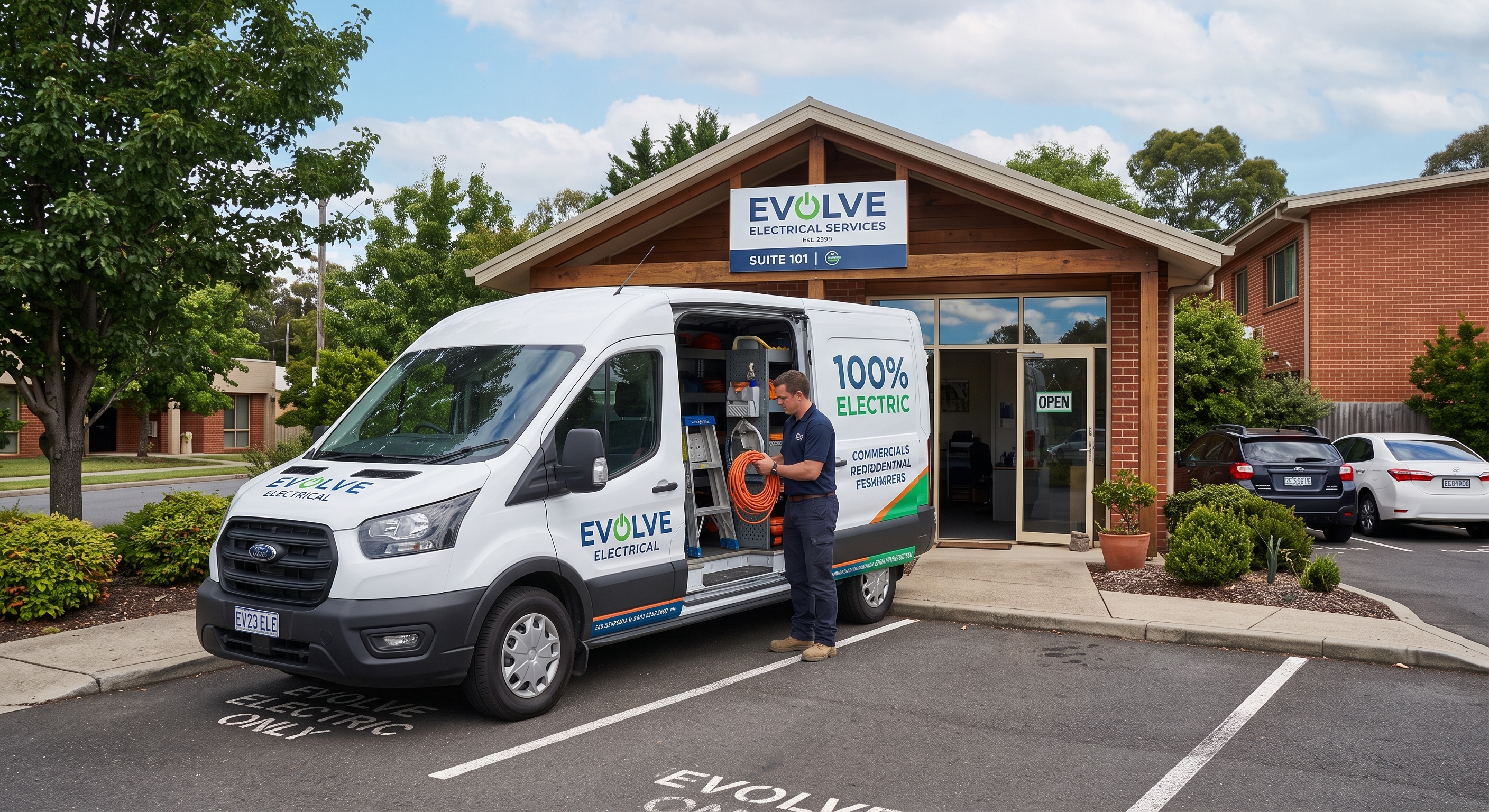
- Contractors and trades - electricians in Ann Arbor, HVAC contractors in Livonia
- Manufacturers and fabricators in Brighton and Flint - manufacturers often carry commercial property insurance for valuable equipment
- Retail shops and salons along Detroit's neighborhood corridors - retail businesses commonly require commercial property insurance coverage
- Professional offices - CPAs, law firms, marketing agencies
- Restaurants and coffee shops - service-oriented businesses benefit from commercial property insurance
- Small warehouses and distribution centers
- Non-profits using office or meeting space
Building owners need coverage for structures and landlord-owned improvements. Lessor's risk only (LRO) insurance protects property owners from liability claims arising from their ownership of a leased building — for example, an injury in a common area — separate from the tenant's own liability coverage. Tenants need coverage for their business personal property, tenant improvements, and must meet lease requirements - many Michigan landlords, lenders, and franchise agreements require proof of commercial property insurance or a BOP with specific limits when you rent or lease space.
Even home-based businesses in Michigan may need separate business property insurance, because homeowners policies usually limit coverage for business property on premises.
How Much Does Commercial Property Insurance Cost?
Commercial property insurance cost varies widely by business type, property value, and location. Insurance costs vary based on property value and business risks, so there's no single number that fits every company. Annual premiums for small businesses commonly range from under $750 to over $15,000, depending largely on the factors below.
Key factors that determine your premium:
- Total value of the business building and business assets
- Construction type - buildings made of noncombustible materials or fire resistant materials have lower insurance rates
- Building/roof age and condition - older buildings may cost more to insure due to damage susceptibility
- Fire protection - fire alarm systems, sprinkler systems, smoke detectors, and distance to the nearest fire hydrant and fire station all matter. Properties near fire stations usually cost less to insure
- Location - geographic location can dictate exposure to natural disasters affecting insurance coverage. Location risk influences insurance premium rates and coverage options
- Occupancy type - restaurants face high insurance costs due to kitchen fire risks or higher customer foot traffics, creating higher premiums versus a low-risk office
- Security system and access control
- Claims history over the past 3–5 years
Replacement cost coverage typically costs more than actual cash value coverage but pays more at claim time. Bundling commercial property coverage with general liability and business income in a business owner's policy can reduce overall insurance costs for many small business owners. Low risk businesses with clean records and modest property values may pay in the lower hundreds annually, while a manufacturing facility with heavy machinery could run into the tens of thousands.
Key Decisions in Structuring Your Commercial Property Insurance Policy
Beyond choosing an insurance carrier, your business must make several decisions within the commercial property policy that affect both financial protection and price.
Valuation method is the biggest decision. Replacement Cost Value (RCV) covers costs to rebuild or repair without depreciation. Actual Cash Value (ACV) deducts depreciation from the payout for damaged property. Example: a $50,000 machine purchased eight years ago with a 15-year useful life might only pay out around $23,000 under ACV. Under replacement cost, you'd receive the full amount to buy equivalent new equipment.
Policy limits must reflect the true insurance value to avoid being underinsured. Base building limits on reconstruction cost - not market value. Estimate business personal property totals at peak levels (holiday inventory, seasonal surges) and set separate limits for high-value categories like electronics and stock.
Deductibles impact the premium and the financial liability during a claim. Higher deductibles can lower your commercial property insurance cost, but increase your out-of-pocket expense. Typical ranges run $500–$5,000 for many small businesses, with larger risks accepting $10,000 or more. A higher deductible makes sense when you can absorb minor losses comfortably.
Coinsurance clauses require you to insure property to a stated percentage of its value (usually 80%). Insuring below that threshold reduces claim payouts proportionally - even for partial losses.
Optional enhancements to consider: equipment breakdown coverage, ordinance or law coverage (covers the cost to rebuild to current building codes after a loss — often significant for older buildings that were compliant when built but would trigger costly code upgrades if rebuilt today), outdoor signs and fences, spoilage for refrigerated stock, and additional coverage for other property off premises.
Risk Management, Claims History, and Reducing Your Insurance Costs
Strong risk control leads to fewer disruptions and potentially lower commercial property insurance premiums. Safety features like fire suppression systems can lead to lower insurance premiums, and insurers increasingly factor proactive risk mitigation into underwriting and pricing decisions.
Practical steps Michigan businesses should take:
- Install and maintain fire sprinklers, monitored alarm systems, and smoke detectors. Regularly test alarm and sprinkler systems to reduce risks
- Upgrade older electrical systems in aging buildings - a common source of fire and increased risk
- Implement snow and ice management plans to reduce winter property damage and protect your business from seasonal hazards
- Use surge protection for sensitive equipment and computers
Security measures that pay off: access control, adequate exterior lighting, cameras, secure storage for tools and inventory, and inventory tracking to deter theft and improve theft protection documentation.
A clean claims history can lead to lower insurance premiums. Repeated small claims push premiums up and limit your options with carriers. Consider slightly higher deductibles and focus on preventing recurring minor losses like roof leaks and frozen pipes. Annual reviews of insurance policies help align coverage with current risks and keep valuations accurate.
Working With Redwood Insurance Solutions for Commercial Property Coverage
Redwood Insurance Solutions is an independent insurance agency located in Michigan, serving small and midsized businesses across the state. Being independent means we compare commercial property insurance quotes and coverages from multiple carriers - we aren't tied to one company, which helps us find a better fit for each business.
We commonly help service contractors and trades (electricians, plumbers, HVAC firms), manufacturers and fabricators, retailers, restaurants, professional offices, and other local businesses. Insurance coverage should be tailored to specific business types and locations, and that's exactly what we do.
Our typical process:
- Initial conversation to understand your business operations and business property
- Review of buildings, equipment, and inventory
- Evaluation of your current commercial property insurance policy if one exists
- Discussion of options like BOP vs. standalone property, coverage limits, and other factors
- Tailored recommendations with clear explanations of coverage and costs
We prioritize direct, person-to-person support - no call centers or chatbots. We explain terms like replacement cost and coinsurance in plain language, and we deliver certificates of insurance quickly when landlords and lenders need them. Employees who handle your account know your business.
Ready to protect your business? Contact Redwood Insurance Solutions for a commercial property insurance review or to discuss a new policy. Have your address, square footage, list of equipment, and recent claims history ready - we'll handle the rest.
 BACK TO BLOG PAGE